
Meow Playground is a cozy online game where you dress-up, explore a virtual world, make friends, and go on adventures together.
Free To Play!
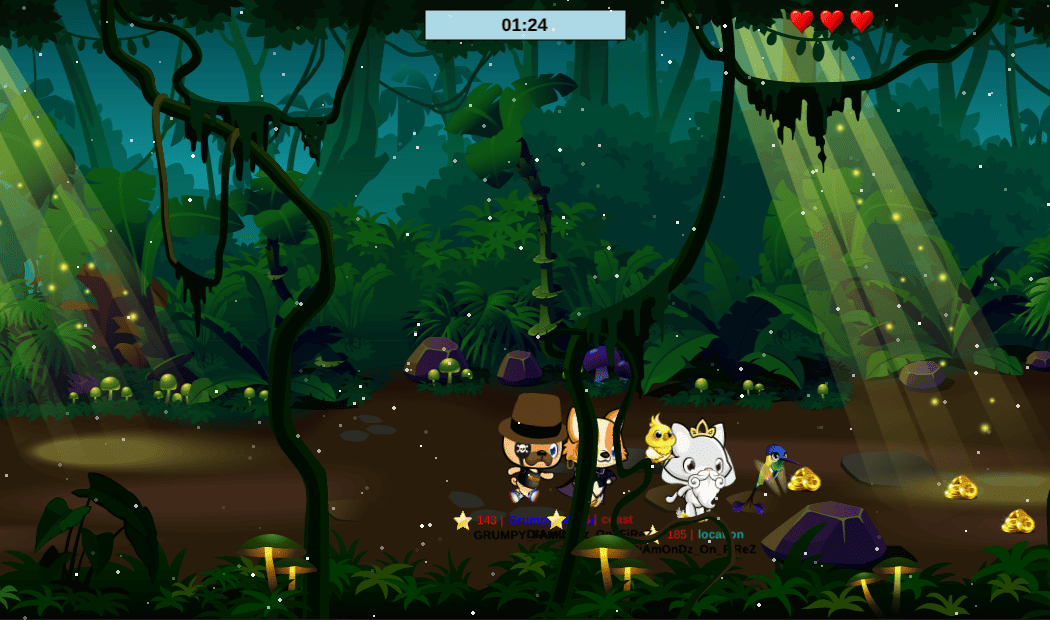



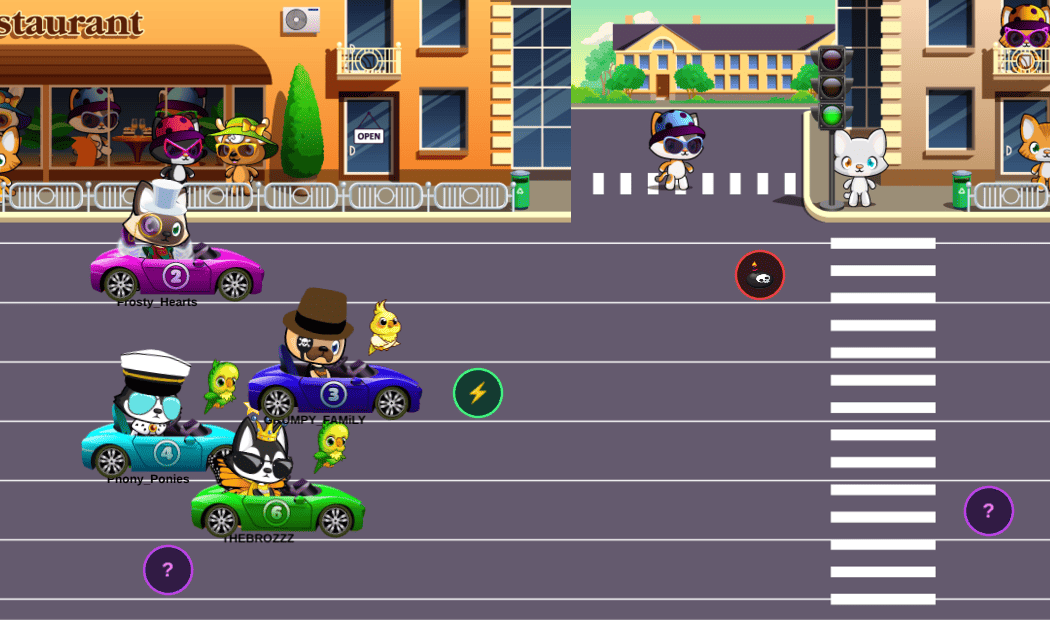
Join the world of Meow Playground in three easy steps
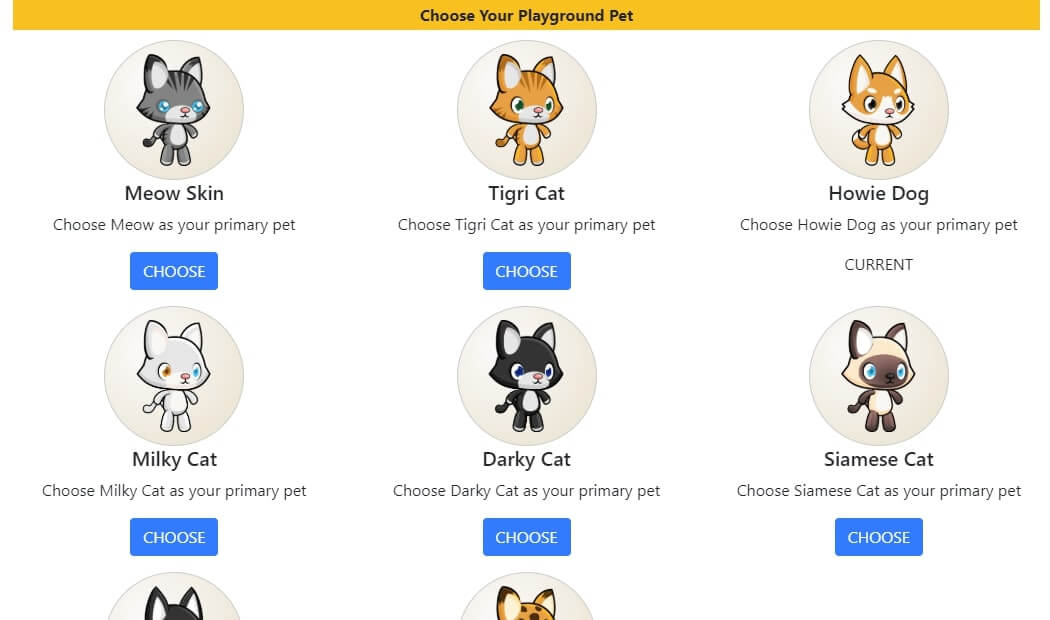
Sign up and pick your animal character. Customize your look with skins, hats, accessories, and more.
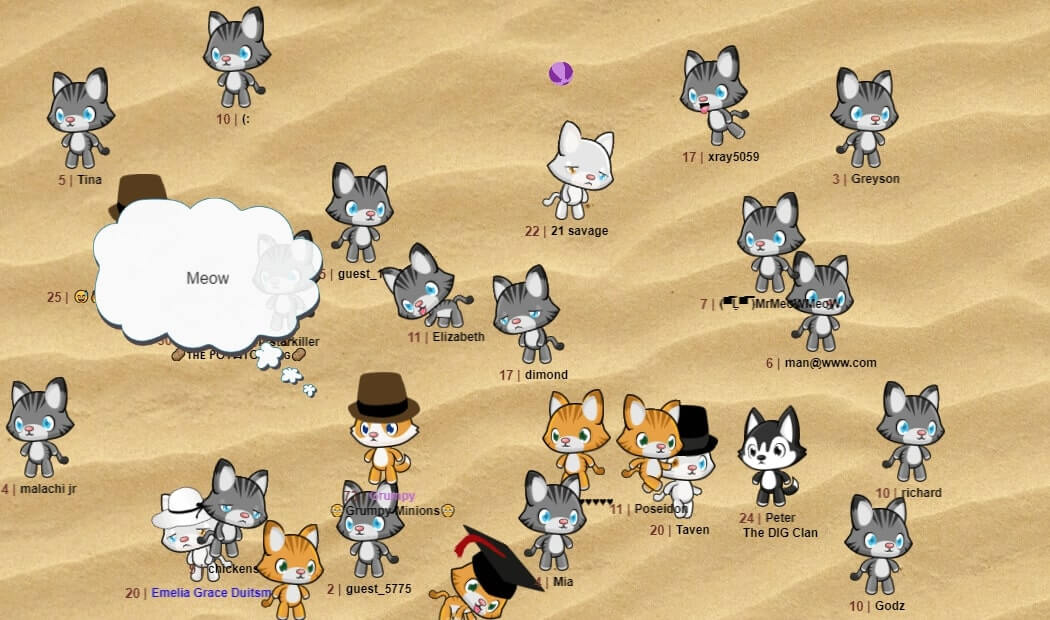
Roam the playground, chat with other players, dig for coins, tend your garden, and discover hidden areas.

Complete quests, join a clowder, climb the leaderboard and collect daily rewards as you grow your pet.

Standing out in the playground with an unforgettable style.
Separation anxiety, compulsive disorders (like tail chasing or flank sucking), and inter-dog aggression are not training failures; they are mental illnesses with genetic and environmental components. Treatment now mirrors human psychiatry: a combination of behavioral modification (desensitization and counter-conditioning) and pharmacotherapy (SSRIs like fluoxetine or TCAs like clomipramine).
Environmental enrichment is essential for maintaining the physical and mental well-being of animals. By providing stimulating environments, veterinarians can help reduce stress, promote learning, and even prevent behavioral problems. For example, providing puzzle toys or interactive games can help reduce boredom and stress in captive animals.
Veterinary science now recognizes that a physically healthy horse confined to a stall 24/7 with no social contact is not a healthy patient. Stereotypic behaviors (crib-biting, weaving, stall-walking) are not "vices"; they are pathological markers of an environment that fails to meet behavioral needs. The veterinarian's job now includes advocating for environmental enrichment and social housing.
The synergy between behavior and veterinary science elevates the standard of care from mere survival to true well-being. By viewing the animal as a complex emotional and biological entity, the modern veterinarian acts as both a clinician and an interpreter, bridging the gap between two distinct but inseparable worlds.
A sudden onset of defensive aggression in a normally gentle dog often points to localized pain, such as osteoarthritis, dental disease, or spinal discomfort. zoofilia+abotonada+anal+con+perro+link
Write an article optimized for a (like pet owners versus vet students) Share public link
Modern veterinary science recognizes that physiology and behavior are deeply intertwined. Stress, fear, and anxiety trigger physiological responses—such as elevated cortisol, high blood pressure, and suppressed immune function—that actively hinder medical healing. Consequently, behavioral evaluation is now standard practice in comprehensive veterinary diagnostics. 2. Behavioral Changes as Diagnostic Indicators
I should structure it like a proper feature article. Start with a strong, engaging introduction that sets up the problem: a stressed pet giving misleading clinical signs. Then, define the connection clearly. The body needs logical sections. First, explain the fundamental link between stress, behavior, and physiology (like fear-induced hypertension). Then, cover the practical translation into the veterinary practice: low-stress handling techniques, fear-free protocols. A major section should be on how behavior informs diagnosis and treatment, like differentiating behavioral issues from medical ones. Another key area is the role of veterinary behaviorists as specialists. I should also address species-specific nuances, not just dogs and cats but exotics and livestock. Finally, touch on future trends like psychopharmacology and telemedicine. End with a strong conclusion reinforcing the unified approach.
A veterinary behaviorist is the only professional who can legally diagnose a mental health disorder and prescribe medication. They view growling not as a "training failure" but as a symptom of an underlying emotional state, often rooted in physiology. Techniques include: Cats are solitary
For rabbits, guinea pigs, and birds, the "prey" instinct is maximal. They are bradycardic (slow heart rate) at rest, which can accelerate to fatal levels with sudden noise or rough handling. In cattle, understanding herd dynamics and flight zones allows for low-stress weaning and handling, which improves weight gain and immune function—a direct economic benefit.
The endocrine and nervous systems exert massive control over behavior. Conditions like hypothyroidism in dogs can lead to unexplained fear or aggression. Conversely, hyperthyroidism in cats often causes restlessness, vocalization, and increased irritability. Hormonal imbalances directly alter brain chemistry, proving that behavioral evaluation is an essential component of a thorough medical workup. Fear-Free and Low-Stress Clinical Handling
Today, that paradigm has shifted dramatically. The convergence of and veterinary science has emerged as one of the most critical frontiers in modern healthcare. We have realized that you cannot treat the body without understanding the mind, and you cannot understand the mind without treating the body.
, similar to Alzheimer's disease in humans, causes senior pets to become disoriented, forget house-training, and experience altered sleep-wake cycles. Urinary Tract Health leading to destructive behavior
This affects many companion animals, leading to destructive behavior, vocalization, and self-injury when left alone. Treatment involves systematic desensitization to departure cues and sometimes daily anti-anxiety medication.
Low-stress handling uses knowledge of species-specific body language, fear responses, and positive reinforcement to perform exams, blood draws, and even surgeries. Techniques include:
Cats are solitary, territorial predators and prey. In the clinic, they are flooded with conflicting odors (dogs, disinfectants, other cats), which is a profound stressor. The "fear-free" cat exam uses towel wraps (kitty burritos), minimal restraint, and feline pheromone analogues (Feliway) to trick the limbic system into feeling safe.