
The CORK UI is built on top of Bootstrap, a powerful library that
provides flexible, customizable, and easy-to-use components.
Available For - v5.x.x

Check out our powerful UI demos designed
to help you build faster and better.

Demo 1 - Modern Menu

Demo 2 - Horizontal Menu
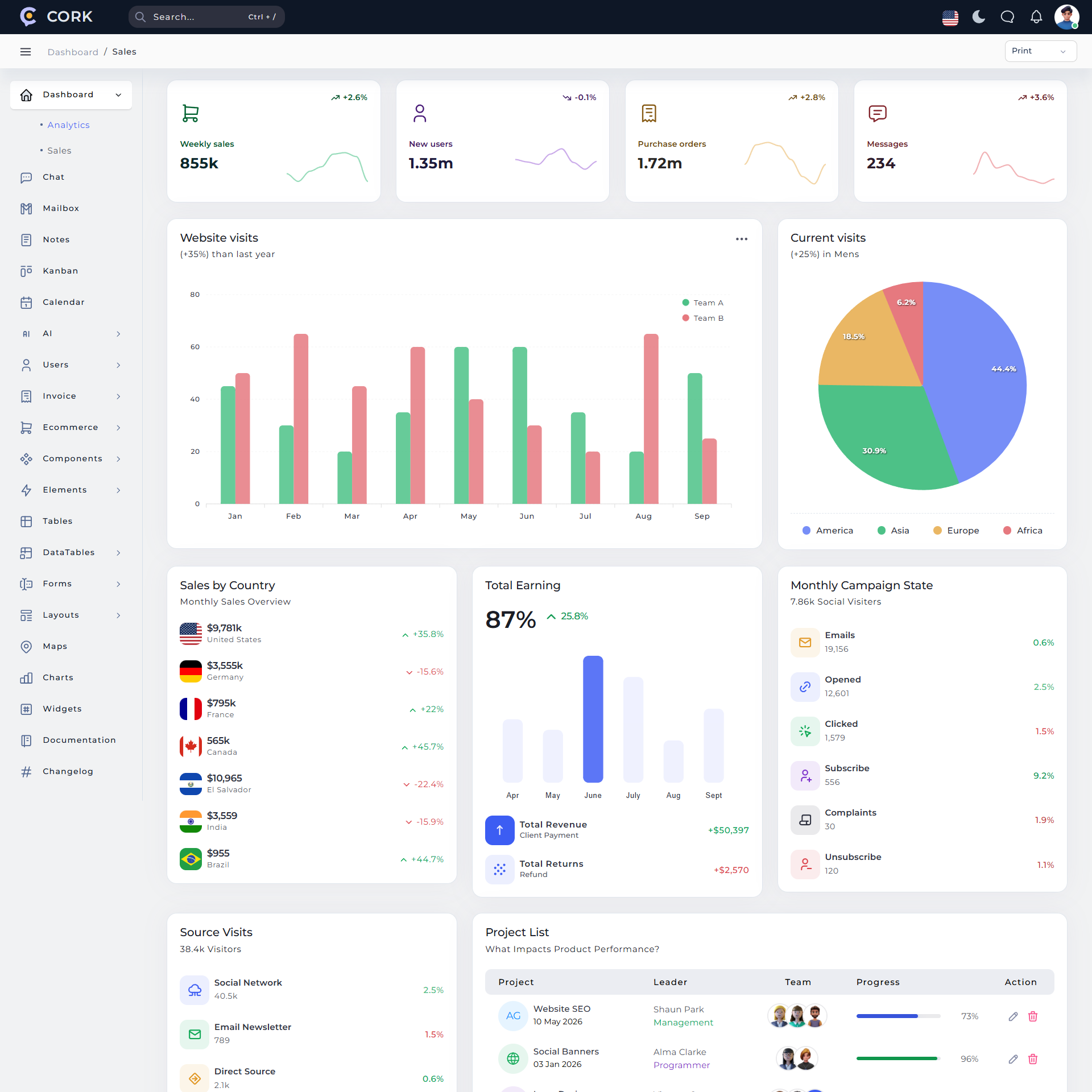
Demo 3 - Vertical Menu

Modern ui kit to save your time, boost your creativity.
Neat and super stylish layout ready to help with your projects.
Would you like a curated list of that best represent Kerala’s cultural diversity?
The deep bond between literature and cinema is a hallmark of Kerala's cultural landscape. This synergy began in the early 20th century and was solidified during the 1950s and 60s when nearly all iconic films were adaptations of renowned novels or short stories.
The 2010s onwards saw a :
Malayalam Cinema and Kerala Culture: A Cinematic Mirror of Society mallu aunties boobs images hot
Malayalam cinema is more than just an entertainment industry; it is a vital cultural institution, a social barometer, and a proud ambassador for Kerala. Its journey from the silent, ill-fated Vigathakumaran to globally celebrated contemporary films mirrors the state's own tumultuous and progressive path.
Perhaps nowhere is the cultural bond stronger than in Malayalam cinema's embrace of Kerala's rich folklore and ritual arts. The yakshi (malevolent spirit) tale of Kaliyankattu Neeli from Kottarathil Sankunni's has inspired numerous adaptations. The 2025 blockbuster Lokah Chapter 1: Chandra subverts this legend, transforming Neeli into a nomadic superhero protecting the vulnerable—demonstrating how folklore remains dynamic and open to reinterpretation.
The "tea shop debate"—where Malayalis gather to discuss politics—is a staple scene in every other film, highlighting the state's high political literacy. Would you like a curated list of that
By daring to look inward—at its linguistic diversity, its folk art, its family structures, and its political contradictions—Malayalam cinema has found a universal resonance. As the industry continues to break new ground both creatively and commercially, one thing remains certain: its deep-rooted, unwavering connection to the culture of Kerala will remain its greatest strength and its most defining characteristic.
In its infancy, Malayalam cinema borrowed heavily from the state’s rich theatrical tradition (Kathakali, Ottamthullal) and literature. The pioneering works were adaptations of novels by S.K. Pottekkatt and Thakazhi Sivasankara Pillai. Films like Neelakuyil (1954) won the President’s Silver Medal for its stark portrayal of caste-based untouchability—a deep scar on Kerala’s social body that reform movements like Sree Narayana Dharma Paripalana Yogam (SNDP) were actively fighting to heal.
From the late 1970s onward, the massive migration of Kerala's workforce to the Middle East (popularly known as the "Gulf Boom") fundamentally transformed the state's economy and social fabric. Malayalam cinema captured this phenomenon with unmatched precision. The 2010s onwards saw a : Malayalam Cinema
Unlike many commercial film industries that relegate minorities to caricatures, Malayalam cinema regularly places diverse religious identities at the center of its narratives. The cultural practices of coastal Christian communities in Alappuzha, the unique dialect and traditions of Malabar Muslims, and the temple festivals of Central Travancore are treated with authenticity and respect. Folklore and Superstition
Whether exploring local folklore in horror-fantasies like Bramayugam (2024), documenting survival during environmental catastrophes in 2018 (2023), or analyzing the subtleties of human relationships, the industry remains fiercely protective of its roots. By staying unapologetically local, Malayalam cinema achieves a universal resonance, proving that the most deeply rooted stories are often the ones that travel the furthest.
At the heart of Kerala's social fabric is the family unit, and Malayalam cinema has consistently placed it under a probing lens. Films like Murapennu (1965) realistically portrayed the decline of traditional tharavadu (joint family) systems, capturing the tensions of a society shifting from a decaying feudal order towards modernity.
Explore a comprehensive range of elements like menus,
sliders, buttons, inputs, and others, all conveniently gathered here.

Chat

Mailbox
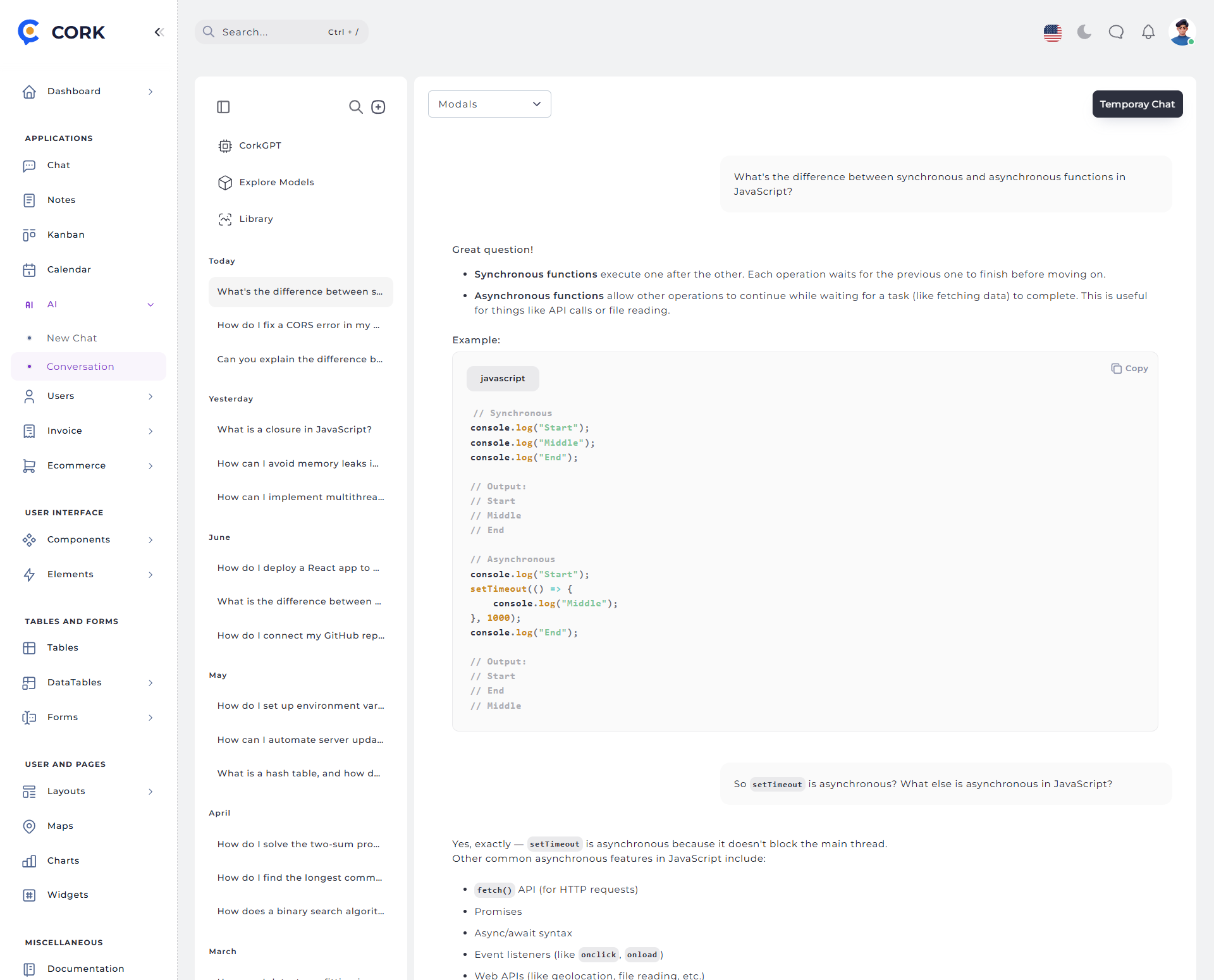
AI
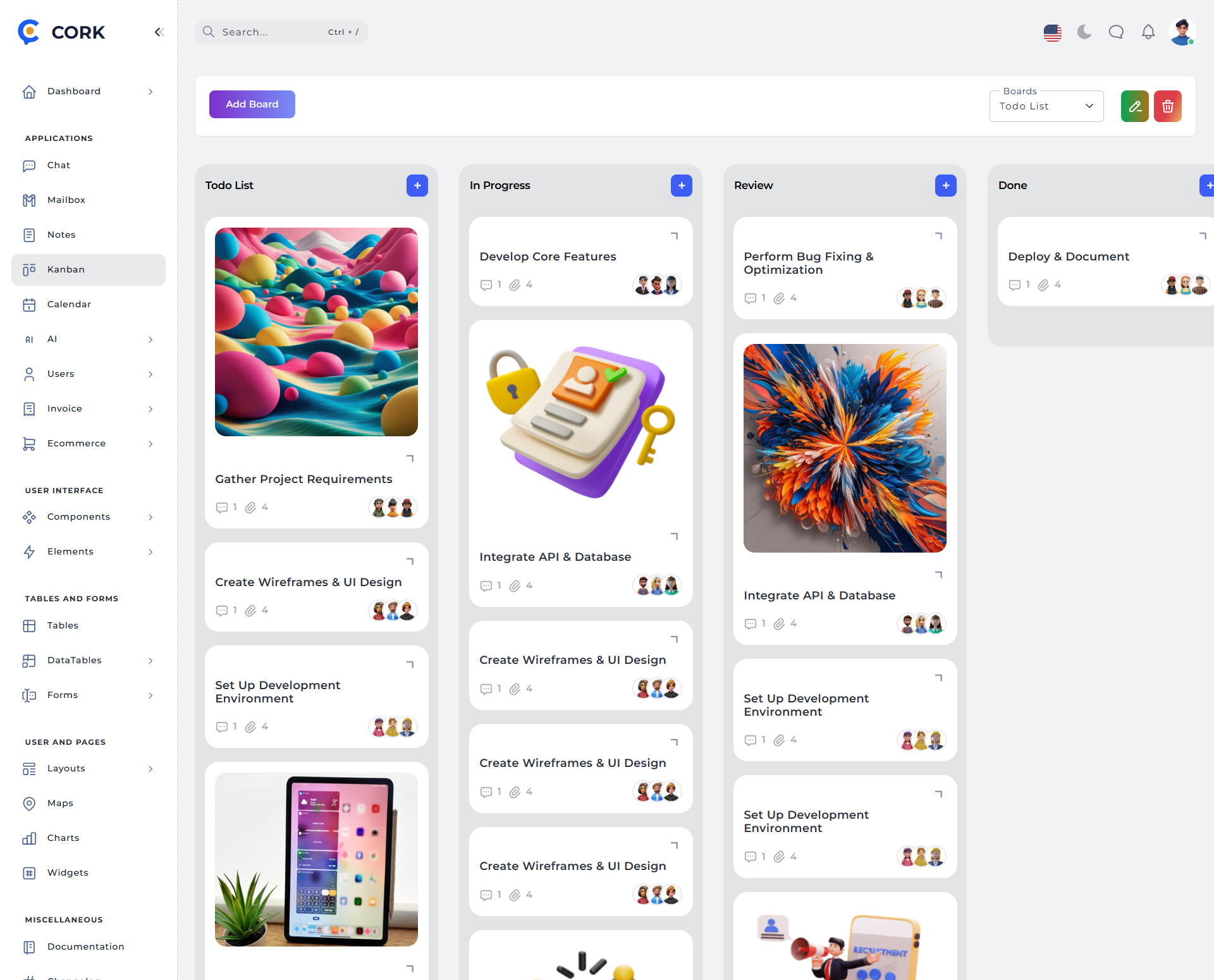
Kanban

Calendar

Users

Notes
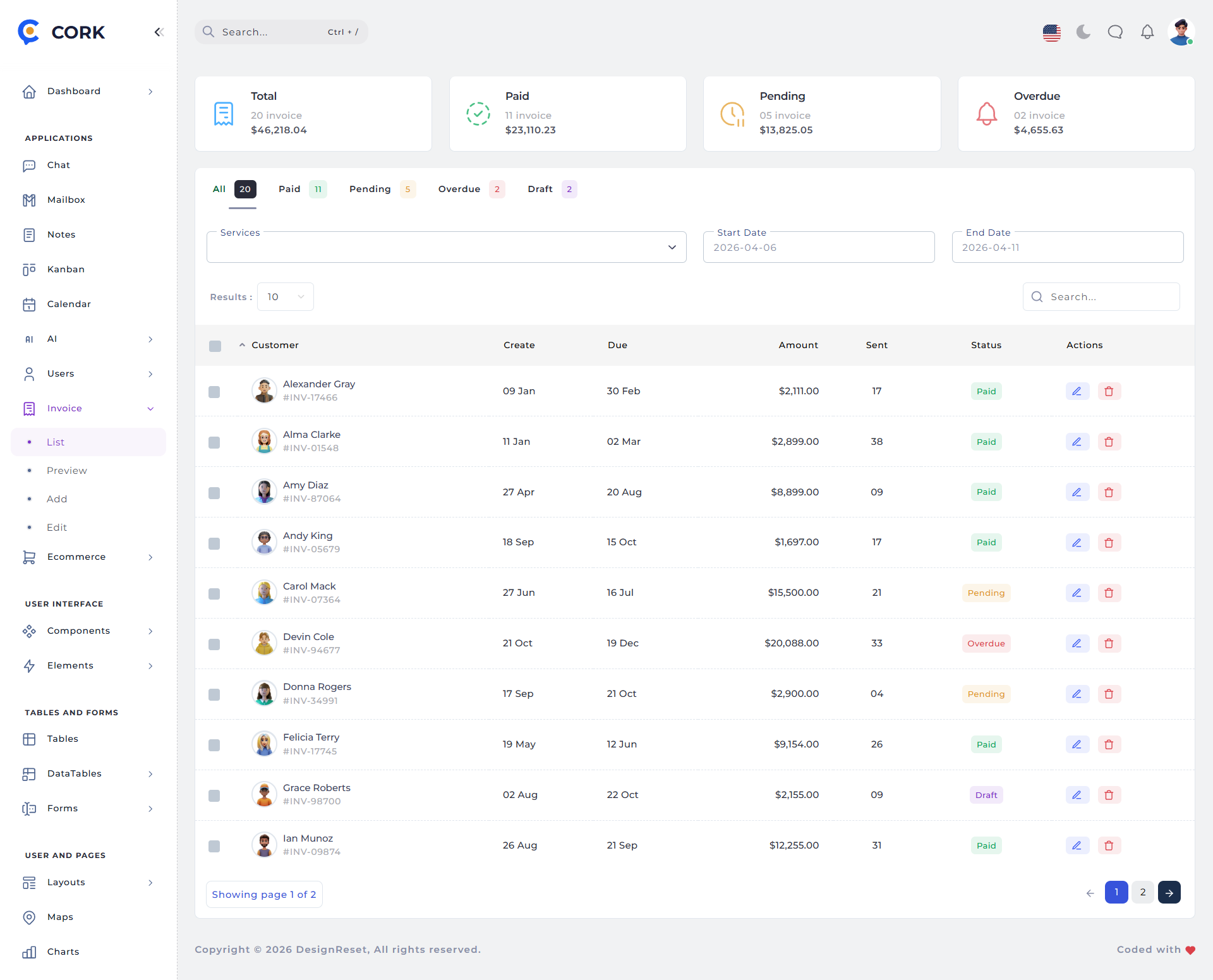
Invoice

Ecommerce
Let's see what makes our theme super powerful and user-friendly!
Would you like a curated list of that best represent Kerala’s cultural diversity?
The deep bond between literature and cinema is a hallmark of Kerala's cultural landscape. This synergy began in the early 20th century and was solidified during the 1950s and 60s when nearly all iconic films were adaptations of renowned novels or short stories.
The 2010s onwards saw a :
Malayalam Cinema and Kerala Culture: A Cinematic Mirror of Society
Malayalam cinema is more than just an entertainment industry; it is a vital cultural institution, a social barometer, and a proud ambassador for Kerala. Its journey from the silent, ill-fated Vigathakumaran to globally celebrated contemporary films mirrors the state's own tumultuous and progressive path.
Perhaps nowhere is the cultural bond stronger than in Malayalam cinema's embrace of Kerala's rich folklore and ritual arts. The yakshi (malevolent spirit) tale of Kaliyankattu Neeli from Kottarathil Sankunni's has inspired numerous adaptations. The 2025 blockbuster Lokah Chapter 1: Chandra subverts this legend, transforming Neeli into a nomadic superhero protecting the vulnerable—demonstrating how folklore remains dynamic and open to reinterpretation.
The "tea shop debate"—where Malayalis gather to discuss politics—is a staple scene in every other film, highlighting the state's high political literacy.
By daring to look inward—at its linguistic diversity, its folk art, its family structures, and its political contradictions—Malayalam cinema has found a universal resonance. As the industry continues to break new ground both creatively and commercially, one thing remains certain: its deep-rooted, unwavering connection to the culture of Kerala will remain its greatest strength and its most defining characteristic.
In its infancy, Malayalam cinema borrowed heavily from the state’s rich theatrical tradition (Kathakali, Ottamthullal) and literature. The pioneering works were adaptations of novels by S.K. Pottekkatt and Thakazhi Sivasankara Pillai. Films like Neelakuyil (1954) won the President’s Silver Medal for its stark portrayal of caste-based untouchability—a deep scar on Kerala’s social body that reform movements like Sree Narayana Dharma Paripalana Yogam (SNDP) were actively fighting to heal.
From the late 1970s onward, the massive migration of Kerala's workforce to the Middle East (popularly known as the "Gulf Boom") fundamentally transformed the state's economy and social fabric. Malayalam cinema captured this phenomenon with unmatched precision.
Unlike many commercial film industries that relegate minorities to caricatures, Malayalam cinema regularly places diverse religious identities at the center of its narratives. The cultural practices of coastal Christian communities in Alappuzha, the unique dialect and traditions of Malabar Muslims, and the temple festivals of Central Travancore are treated with authenticity and respect. Folklore and Superstition
Whether exploring local folklore in horror-fantasies like Bramayugam (2024), documenting survival during environmental catastrophes in 2018 (2023), or analyzing the subtleties of human relationships, the industry remains fiercely protective of its roots. By staying unapologetically local, Malayalam cinema achieves a universal resonance, proving that the most deeply rooted stories are often the ones that travel the furthest.
At the heart of Kerala's social fabric is the family unit, and Malayalam cinema has consistently placed it under a probing lens. Films like Murapennu (1965) realistically portrayed the decline of traditional tharavadu (joint family) systems, capturing the tensions of a society shifting from a decaying feudal order towards modernity.
Please describe your case to receive the most accurate advice.
The starting point for your next project
with Cork UI Kit, built on the newest
version of Bootstrap©, ready to be
customized to your style.