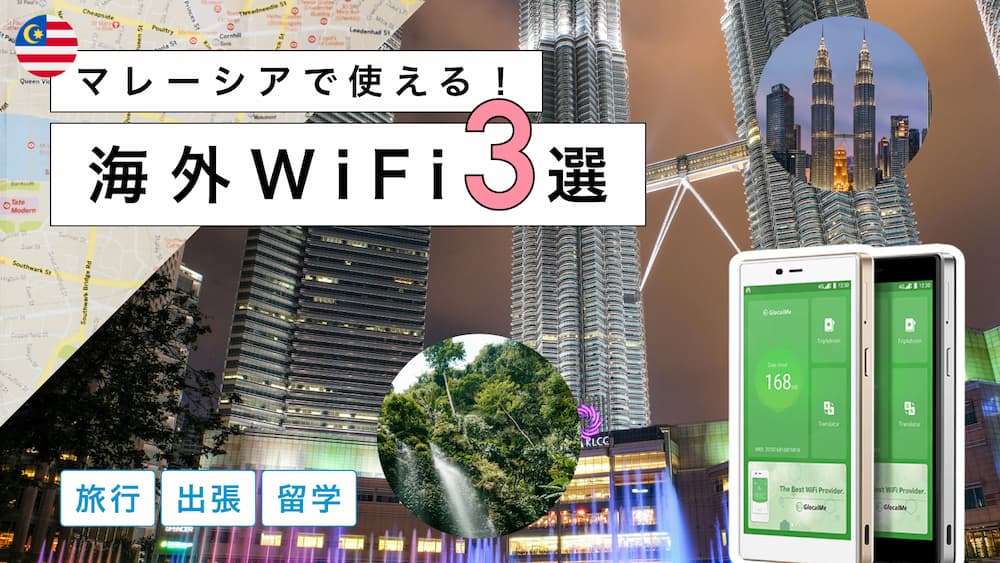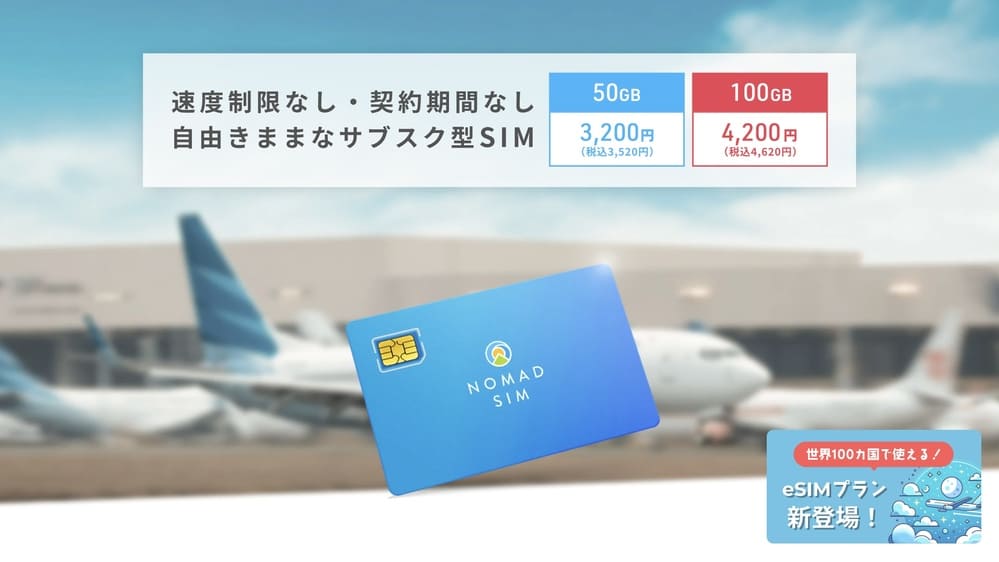
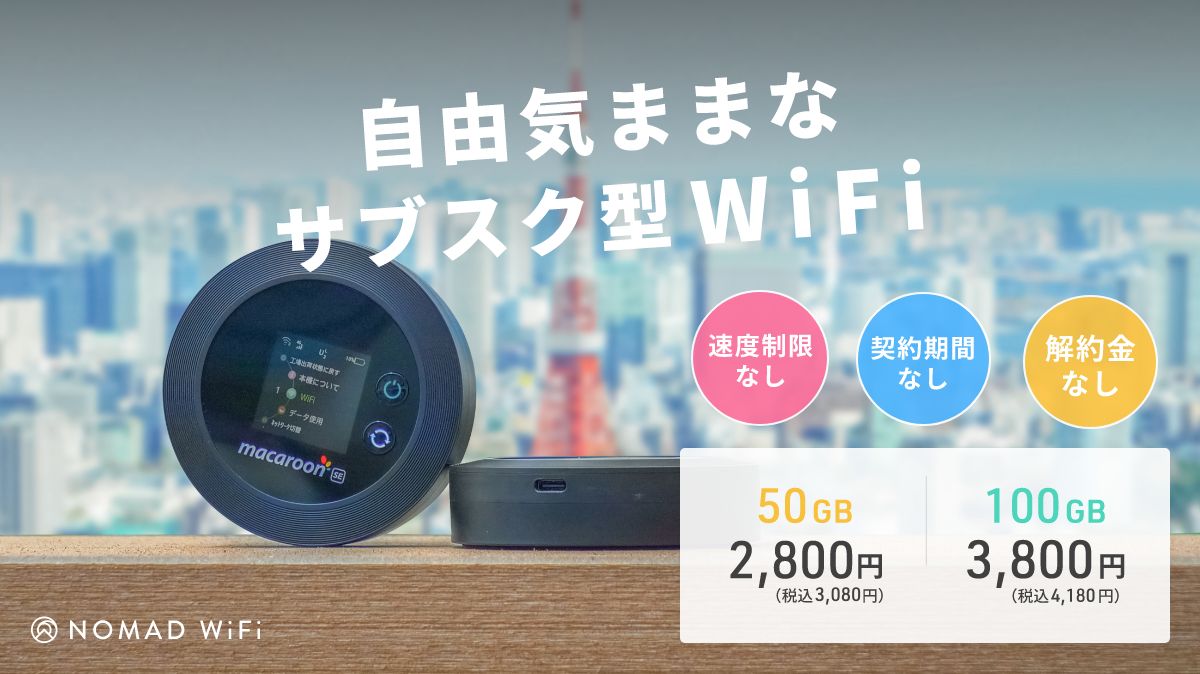
マレーシアにおすすめの海外WiFiレンタル3選!選び方から注意点までわかりやすく解説
warorince
Nomad SIM Media
Databases temporary store these strings to verify a user's identity after login, eliminating the need to re-enter passwords on every webpage.
From managing concurrent cloud database shards to mapping data routes in open-source systems, understanding how these identifiers operate provides deep insight into high-performance computing. 🌐 The Mechanics of Unique Identifiers in Modern Tech
: Security protocols compress sensitive user records into randomized strings to hide the raw inputs from unauthorized actors.
When you log into a website, the server creates a session token stored in a cookie or returned in an HTTP header. These tokens must be random and unique to prevent session hijacking. A 16-character token is considered minimal by modern standards; many platforms use 32 characters or more. However, for low-security applications (e.g., anonymous voting, non-critical forms), 4s7no7ux4yrl1ig0 could be a valid session identifier.
To maintain the security and efficiency of complex unique identifiers in production software networks, engineering teams follow standard data mitigation principles:
If you are storing or transmitting 4s7no7ux4yrl1ig0 as a secret:
"Close deals faster: 5 steps to updating your pipeline in the CRM."
Systems can generate these IDs across different servers simultaneously without risking duplicate entries.
console.log(result);
Databases temporary store these strings to verify a user's identity after login, eliminating the need to re-enter passwords on every webpage.
From managing concurrent cloud database shards to mapping data routes in open-source systems, understanding how these identifiers operate provides deep insight into high-performance computing. 🌐 The Mechanics of Unique Identifiers in Modern Tech
: Security protocols compress sensitive user records into randomized strings to hide the raw inputs from unauthorized actors. 4s7no7ux4yrl1ig0
When you log into a website, the server creates a session token stored in a cookie or returned in an HTTP header. These tokens must be random and unique to prevent session hijacking. A 16-character token is considered minimal by modern standards; many platforms use 32 characters or more. However, for low-security applications (e.g., anonymous voting, non-critical forms), 4s7no7ux4yrl1ig0 could be a valid session identifier.
To maintain the security and efficiency of complex unique identifiers in production software networks, engineering teams follow standard data mitigation principles: Databases temporary store these strings to verify a
If you are storing or transmitting 4s7no7ux4yrl1ig0 as a secret:
"Close deals faster: 5 steps to updating your pipeline in the CRM." When you log into a website, the server
Systems can generate these IDs across different servers simultaneously without risking duplicate entries.
console.log(result);