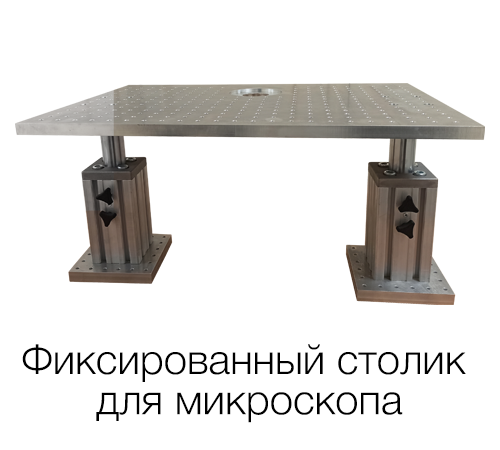
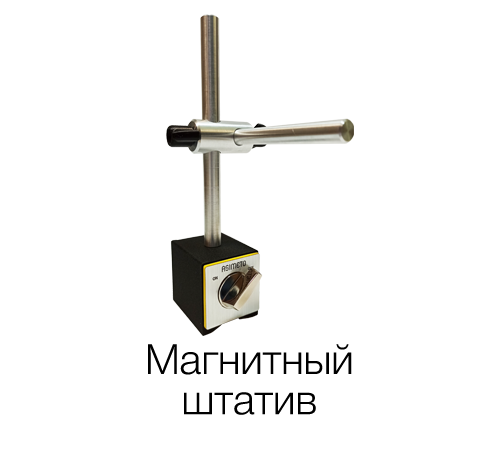
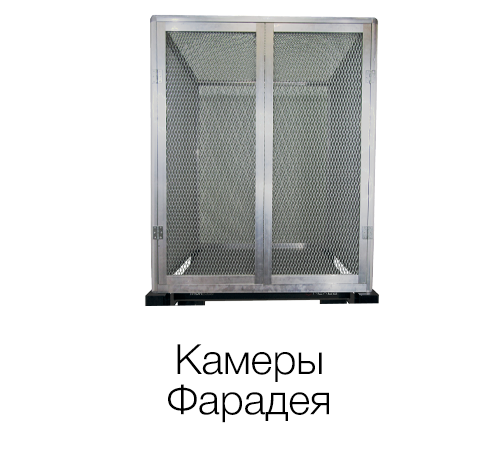
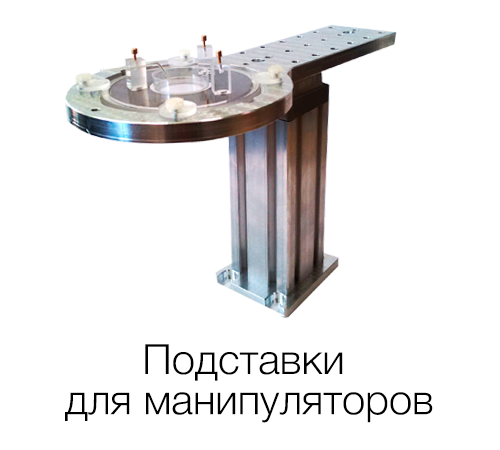
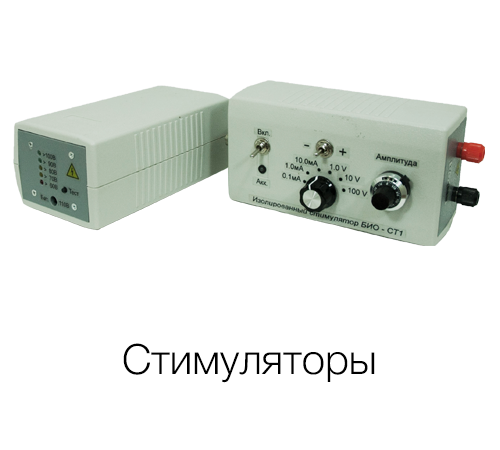
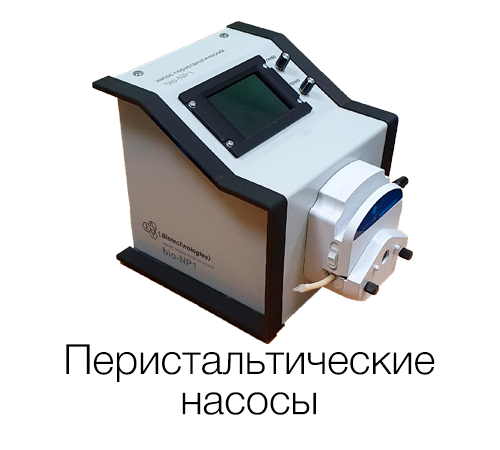
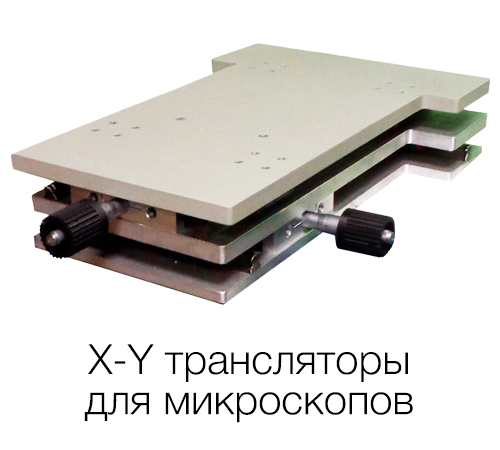
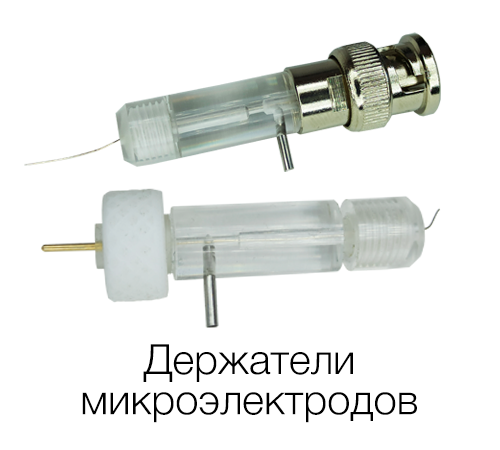
Товары собственного производства
 конкурентные цены
высокое качество
индивидуальный подход
The "Paki Stage Drama Girl" phenomenon is more than just a niche category of theater; it is a powerhouse of . It reflects the raw, unedited tastes of a massive audience and continues to dominate digital algorithms through its blend of comedy, dance, and larger-than-life personalities. As long as there is a demand for high-energy, relatable Punjabi entertainment, these performers will remain at the heart of Pakistan’s popular media landscape.
The focus is on glamour, physical expression, and audience engagement.
Pakistani stage dramas, particularly those in the Punjabi language, have undergone a radical transformation over the last three decades. Originally rooted in social satire and high-quality scriptwriting—led by legends like Amanullah Khan and Sohail Ahmed—the medium shifted in the early 2000s toward a more performance-based model.
This genre of entertainment created a new class of celebrity: the stage actress. For many young women from modest backgrounds, it offered a path to fame and financial independence that was otherwise unavailable. Performers like , who has worked in TV, film, and stage, and Hina Mughal , who began her career in the early 2010s, became well-known figures. Others, like Mahzaib , the daughter of a film actress who entered the family business, and Zara Khan , who started by dancing in a Faisalabad theatre for 8,000 rupees, represent the diverse journeys of women who built careers on the stage. Today, dozens of such actresses are documented on dedicated fan sites, showcasing their work to a dedicated audience. Paki Stage Drama Girl Scandal xXx -Mastitorrents
High-brow television networks and conservative media often criticize stage dramas for being overly suggestive, relying on vulgar double entendres, and violating traditional cultural norms.
However, as the economic dynamics of theater shifted in the late 1990s and 2000s, the format underwent a radical transformation. The narrative structure was re-engineered to pivot around high-energy dance performances, musical intermissions, and highly stylized female leads. The "Stage Drama Girl" emerged as the definitive protagonist of this new era.
To understand the digital phenomenon, one must first understand the physical stage. Pakistani stage dramas (often referred to as "stage shows") are high-energy, fast-paced comedies or social satires performed live, primarily in Punjabi and Urdu. Unlike the subtlety of mainstream cinema, these dramas rely on instant audience feedback—whistles, claps, and call-outs. The "Paki Stage Drama Girl" phenomenon is more
Pakistani stage dramas are famous worldwide for their lightning-fast Punjabi ad-libbing, slapstick humor, and mesmerizing dance performances.
The industry is increasingly professionalizing, with more established academies focusing on training dancers and actors for the stage. 6. Conclusion
The rising demand for adult-comedy web series in Pakistan has directly hired talent from the stage drama circuit. Platforms like and TikTok serials often feature the same actresses who once performed on stage. They bring a natural, unrehearsed grit that polished TV actors often lack. The focus is on glamour, physical expression, and
For the primary audience—largely working-class men—the theater provides an affordable escape from daily economic hardships and socio-political anxieties. The female lead delivers a potent mix of glamour, rhythm, and interactive entertainment that is entirely missing from other rigid public spaces. 2. Subversion of Traditional Gender Norms
: Every 15 to 20 minutes, the plot pauses for a highly choreographed, high-energy dance performance by the lead actresses. Audience Demographics
While the content remains highly popular, it exists within a complex cultural matrix. On one hand, it represents a resilient form of working-class entertainment that offers escapism and celebrates regional Punjabi culture, language, and humor. It provides female artists with financial independence and massive public visibility in a male-dominated industry.