Stuffing The Student 2 -digital Playground- Xxx...
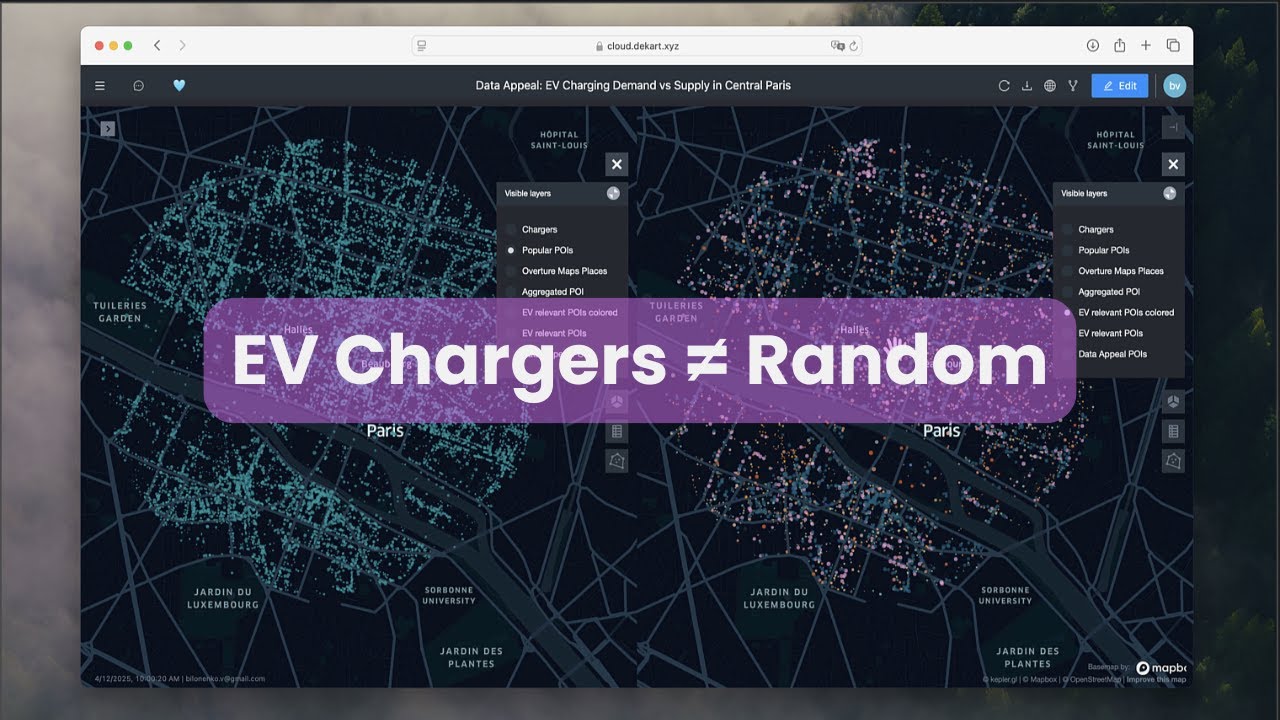
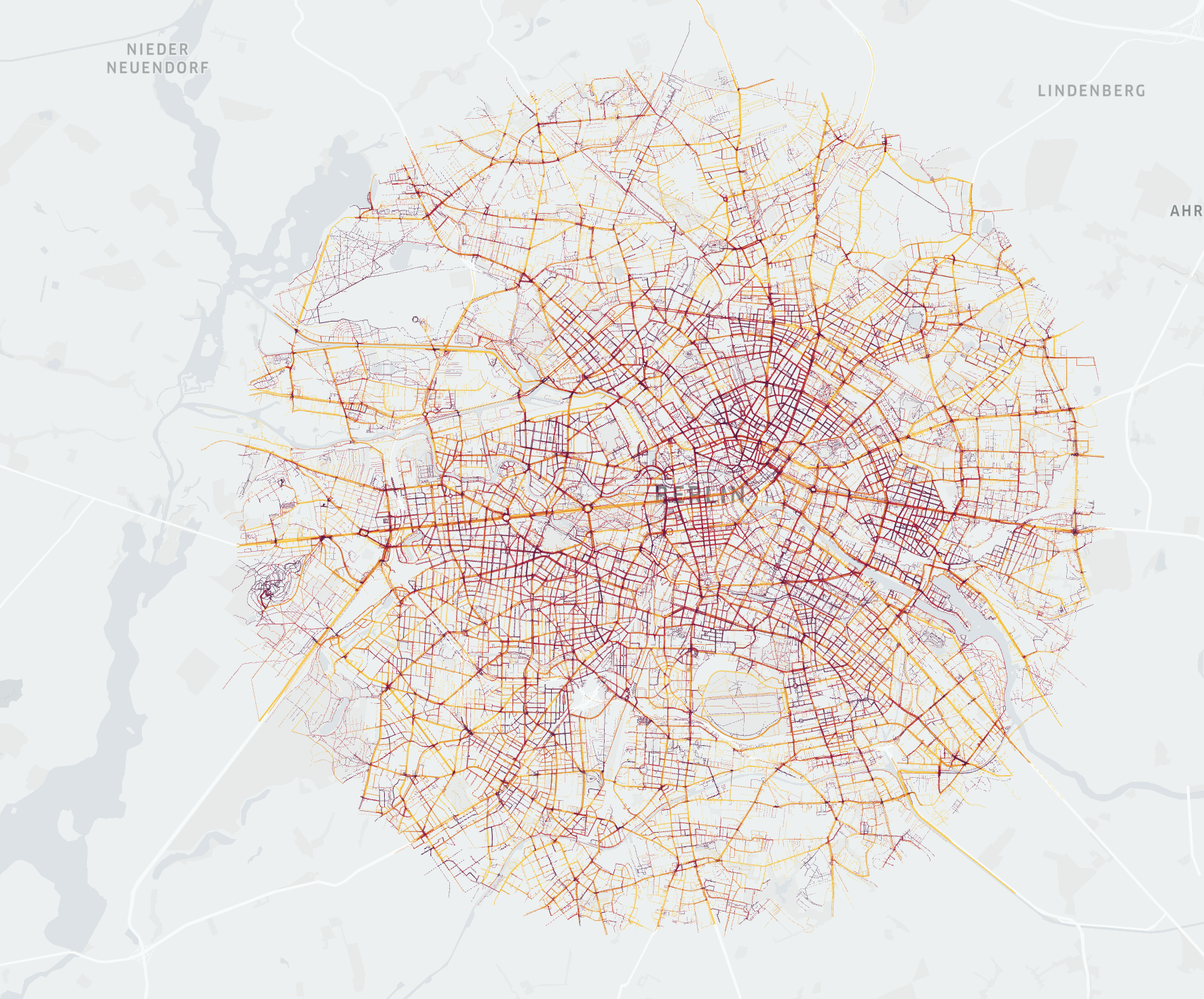
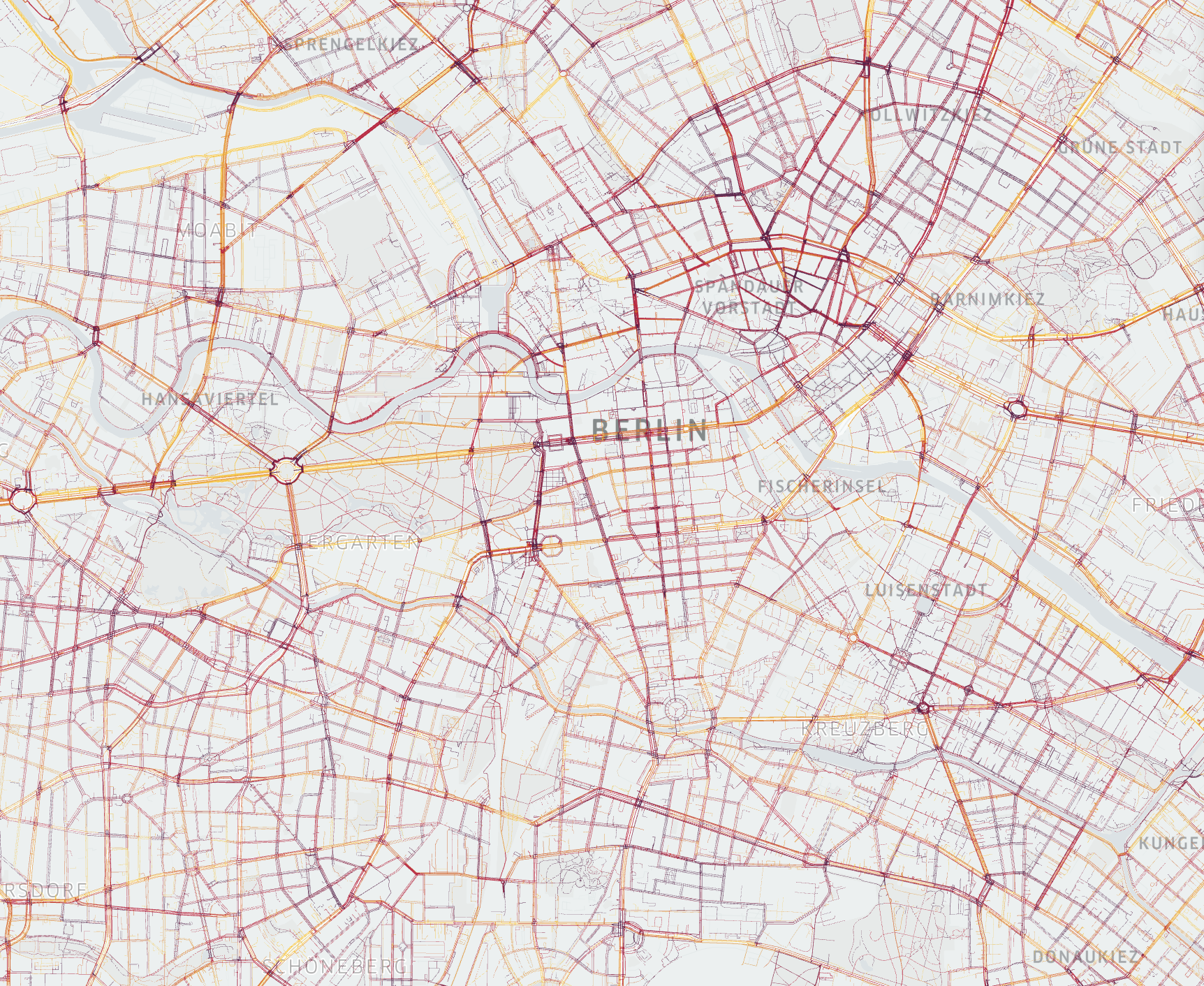
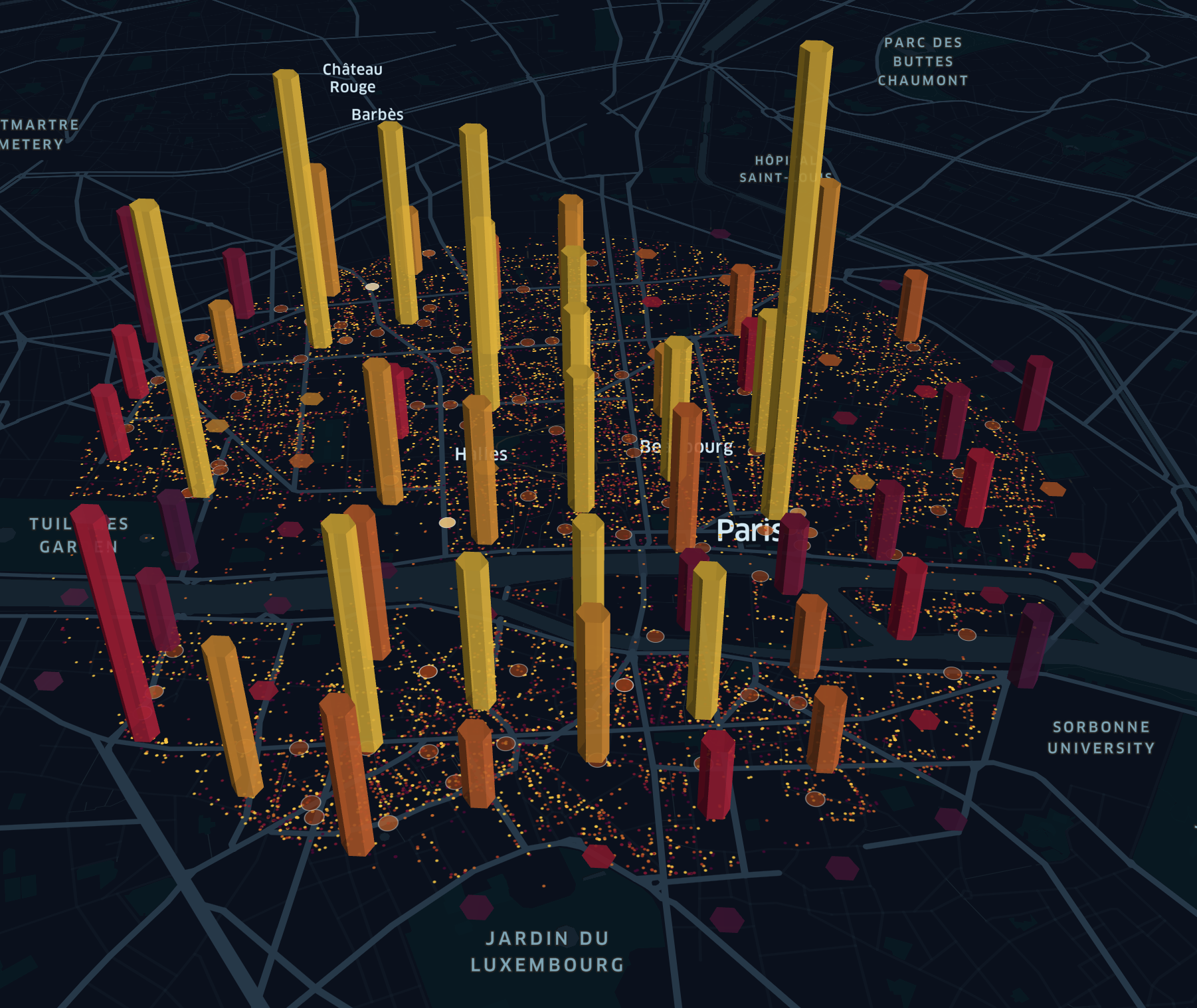
We took Kepler.gl, and connected it to your data warehouse. Now you can type SQL and get beautiful, up-to-date maps ready to share with your team.
Light alternative to CARTO










We took Kepler.gl, and connected it to your data warehouse. Now you can type SQL and get beautiful, up-to-date maps ready to share with your team.
Light alternative to CARTO
Digital Playground is known for featuring talented performers. User feedback often highlights the performances in their productions.
Influencer culture frequently promotes idealized images, which can contribute to poor self-esteem and body image issues among adolescents.
[Constant Digital Input] │ ├──► Displaces Boredom (Kills creative thought) ├──► Disrupts Sleep (Blue light & mental alertness) └──► Distorts Reality (Unrealistic social comparisons) The Death of Boredom and Creativity Stuffing The Student 2 -Digital Playground- XXX...
Popular media has adapted to this. Content creators now produce videos that are designed to be "second screen" experiences—entertaining enough to watch, but repetitive enough to ignore. It’s a symbiotic relationship: students provide the views, and the media provides the white noise necessary to quell the anxiety of silence.
Stuffing The Student is an important, provocative critique for an era when . It occasionally mistakes correlation for causation, but its core warning is urgent: We are cramming digital entertainment into young minds not because it serves them, but because it’s easier than teaching them to resist. Recommended with a side of silence and a book made of paper. Stuffing The Student is an important, provocative critique
Digital Playground, being a savvy marketing machine, understands that the iconography of the schoolgirl or college student is loaded with societal taboos regarding authority and coming-of-age. By producing a sequel, the studio is banking on the idea that this fantasy cannot be exhausted in a single film. Each sequel allows for a new "class" of student, a new type of "stuffing," and a new wardrobe of fetishistic clothing.
The early 2000s saw the rise of MTV's Jackass , which heavily featured youth culture, skate aesthetics, and young adults engaging in absurd, boundary-pushing stunts. This era established a raw, amateur, and highly relatable format that would eventually pave the way for modern digital media. Digital Entertainment and the Shift to Short-Form Media followed by TikTok (67%)
Perhaps the most insidious effect of stuffing the student with digital entertainment content is the warping of social reality.
This creates a "Fear Of Missing Out" (FOMO) that drives consumption. Students feel a pressure to stay current. Being "stuffed" with content isn't just a pastime; it’s homework for their social life. If you haven't seen the viral clip everyone is quoting, you are effectively absent from the conversation.
: YouTube remains the most used platform by teenagers (95%), followed by TikTok (67%), Instagram (62%), and Snapchat (59%).
We cannot talk about "stuffing" without addressing the physical vessel. The student body is not designed for this volume of consumption.
Short tutorials showing how to create and share maps with Dekart.